OpenCATS Alternatives: A 2026 Self-Hosted ATS Comparison
OpenCATS shipped v0.10.0 in June 2026 after years of near-dormancy. What that changes, the alternatives compared, and when a build is justified.
The Blog
Contractor rate benchmarks, hiring playbooks, technical interview rubrics, hosting guides, and SEO strategies for engineering and talent leaders.
OpenCATS shipped v0.10.0 in June 2026 after years of near-dormancy. What that changes, the alternatives compared, and when a build is justified.
Agency CRMs and employer ATS platforms solve different problems. What a recruitment CRM contains architecturally — and how to tell whether you should build one.
Build cost, not subscription cost. Published market ranges for a custom applicant tracking system, the seven scope drivers that move the number, and a worked example.
The Bullhorn REST API in production — the two-stage auth handshake, the entity model, rate limits, and the failure modes that break integrations after go-live.
A scorecard for the build vs buy ATS decision — the three narrow cases where building genuinely wins on a staffing desk, and the run-rate cost of owning your own.

Upwork's problem isn't price, it's that you do all the vetting and carry all the risk. Seven alternatives compared on who does the screening and who covers churn.

Turing bills $100-200/hr blended and matches algorithmically. Seven alternatives compared on vetting model, margin transparency and how fast you meet a real engineer.

The honest comparison: eight Toptal alternatives by markup, vetting model, minimum commitment and time-to-hire — plus where Toptal is still worth the premium.

The real difference between staff augmentation and outsourcing — who directs the work, who carries delivery risk, and the one question that decides which model your project can support.

Staff augmentation buys capacity you direct; managed services buys an outcome under an SLA. Here's how the pricing, control and risk differ — and which fits ongoing operations.

A buyer's guide to Indian staff augmentation: real rate bands, the five contract terms that decide whether it works, and an honest look at the main players.

2026 React contractor rates across the US, UK, EU, LATAM and India — by seniority and engagement model, with the multipliers that turn a quoted rate into your real cost.

2026 Python contractor rates across six markets and three specialisms — web, data engineering and ML/AI — with the premiums that separate a $40/hr quote from a $200/hr one.

2026 offshore developer rates across 12 countries, scored on cost, timezone overlap and talent depth — plus the loaded-cost multiplier that turns a 70% rate saving into 45%.

2026 Node.js contractor rates across six markets, by seniority and workload type — API, realtime, microservices — with the scope factors that move a backend quote 40%.
Offshore wins on rate by 50-70%. Async handoffs then add 30-50% back in management and rework. Here's the arithmetic that decides which one is actually cheaper.

2026 Java contractor rates across six markets — with the pay-rate vs bill-rate distinction that explains why published Java numbers never match the quote on your desk.

What UK hiring managers need to know about IR35 in 2026: how determination works, why inside-IR35 roles cost 20-30% more, and how the new JSL rules move umbrella risk onto the end client.

A working process for hiring contract developers: how to scope the role, pick the channel, vet in two calls, and write the five contract clauses that decide how the engagement ends.

A hiring freeze restricts headcount, not project spend. The practical route to getting engineers on your team anyway — and how to write the request so finance approves it.

2026 frontend contractor rates by market, framework and scope — React, Angular, Vue and Next.js — with the specialisms that move a quote 30% in either direction.

The full 2026 cost model: what a full-time developer really costs at 1.25-1.4x base, what a contractor costs after margin, and the month where the answer flips.

Contract-to-hire is the lowest-risk senior hire available and the easiest to botch. Conversion fees, why good candidates say no, and what to fix in the contract.

BairesDev's $50k minimum and long sales cycle rule it out for most single-seat hires. Seven alternatives compared on minimum spend and time to first engineer.

2026 backend contractor rates compared across five stacks and six markets, with the domain and scope premiums that move a quote further than any language choice.
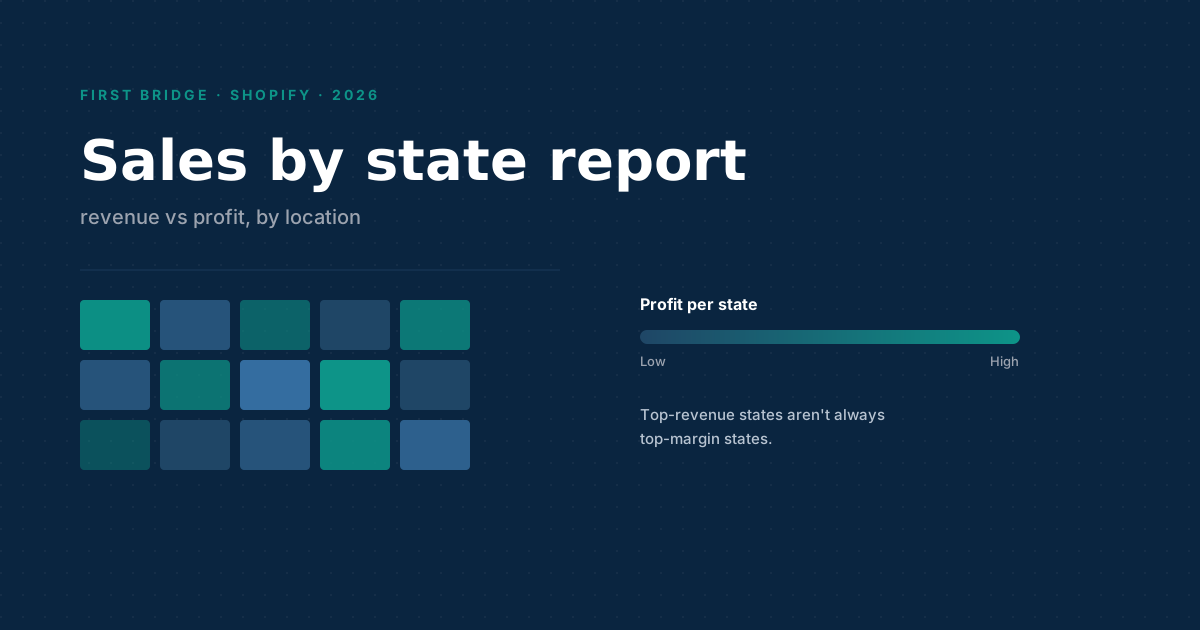
Shopify makes a sales-by-state report surprisingly hard to pull cleanly. Here's how to get sales by location with a date range — and see profit, not just revenue, per state.
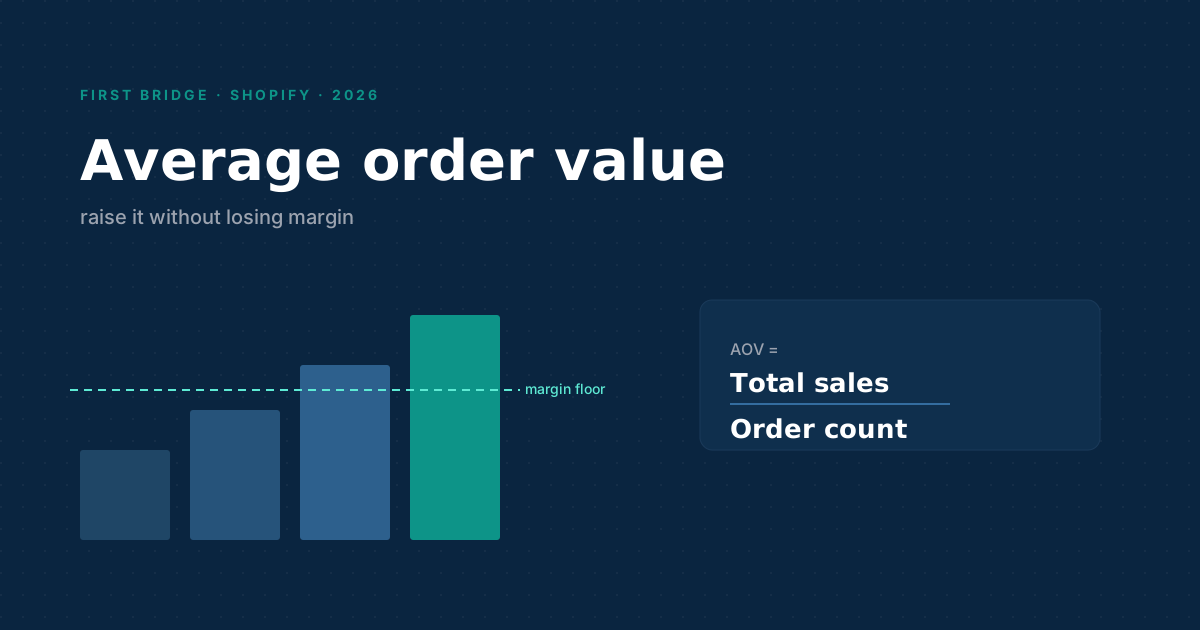
How to find your Shopify average order value, the formula behind it, and the levers that actually raise AOV — plus the margin trap most AOV tactics walk into.
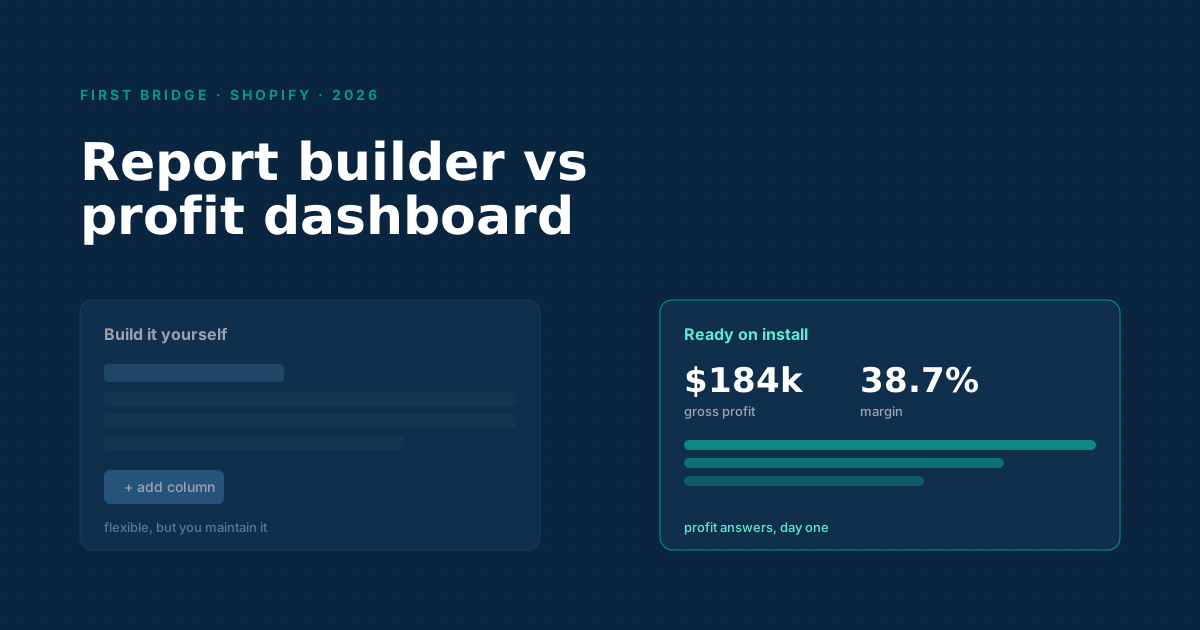
Better Reports is a powerful custom-report builder. If what you actually want is profit clarity out of the box — not reports to build and maintain — here's the alternative and how to choose.
Your app's listing is not a formality — it is your primary sales page and your main ranking signal. Here is how to get both right.
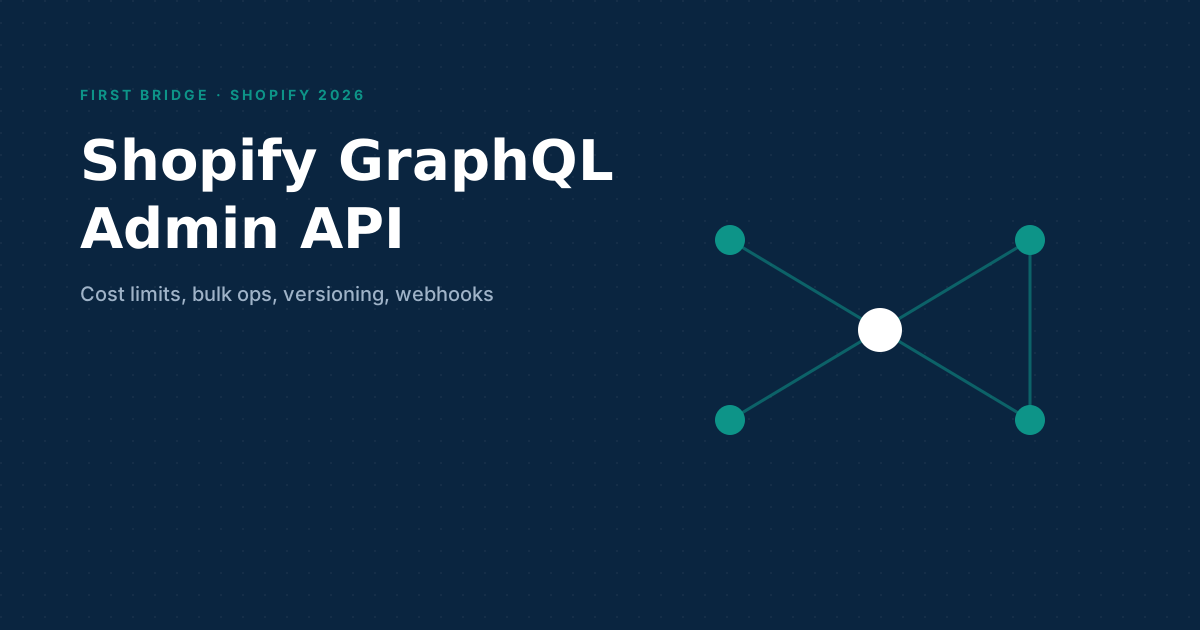
GraphQL is now Shopify's primary Admin API. Here is how to build against it correctly — rate limits, bulk ops, versioning, webhooks, and access modes covered.
Managed PaaS, cloud VPS, or a managed host? A decision framework for where to host web apps in 2026 — with the real cost, lock-in, and ops trade-offs behind each tier.
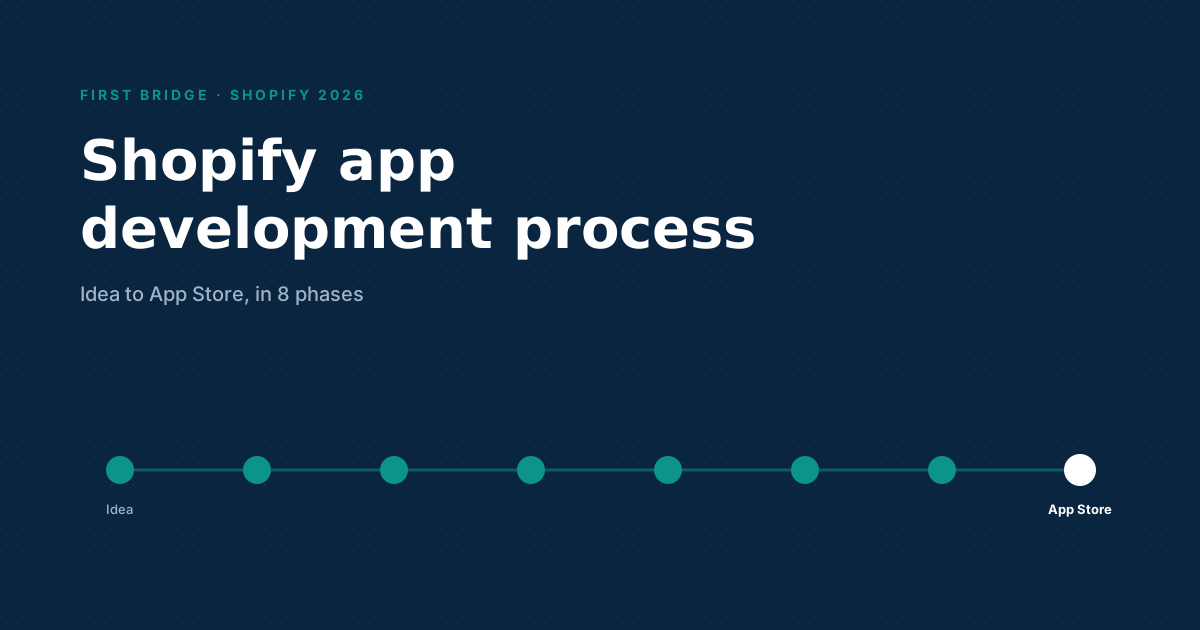
What actually happens between 'we want a Shopify app' and a live App Store listing — the eight phases, where projects stall, and realistic 2026 timelines for each.
Vercel is the easy path for Next.js, but not the only one. Four production deployment options for 2026 — Vercel, VPS, Docker, static export — and when each is right.
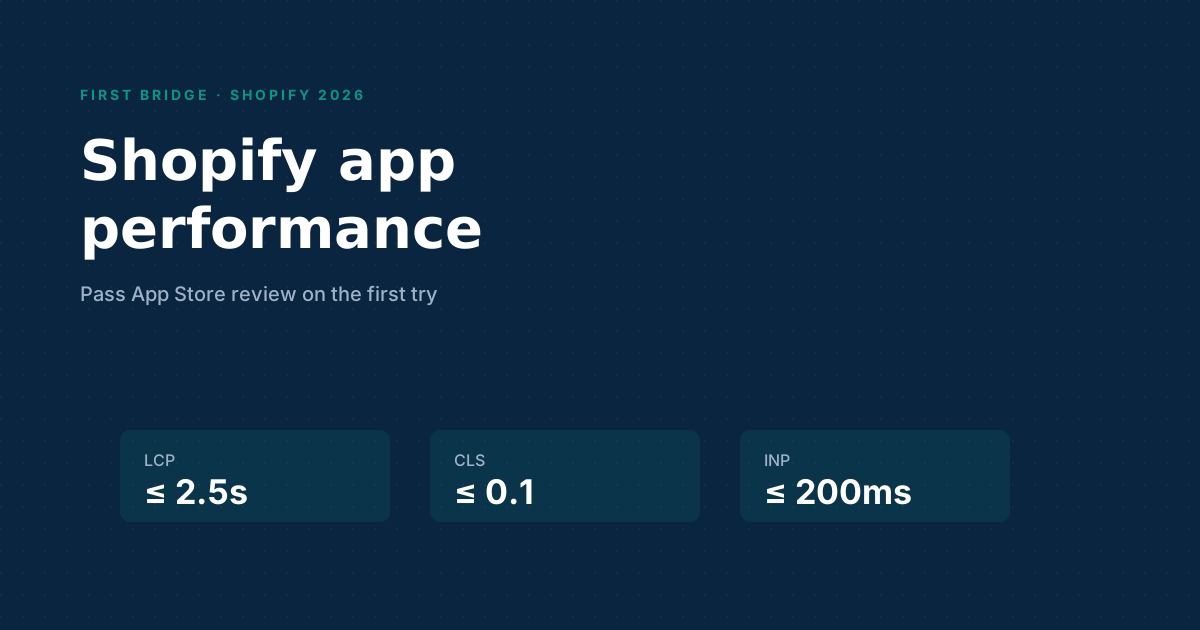
The real performance requirements for Shopify App Store review in 2026 — and the build-time decisions that keep your app fast enough to pass, stay listed, and not drag down merchant stores.
Outgrown shared hosting? Here are the signs it's time, and a step-by-step plan to migrate to a VPS in 2026 — including a zero-downtime DNS cutover.
The single decision that sets your Shopify app's cost, timeline, and revenue model. Here's how to choose between a custom app, a public App Store app, and a Theme App Extension in 2026.
Hosting a SaaS isn't one decision — it's three, made at MVP, product-market fit, and scale. Here's the stack to pick at each stage in 2026, and the lock-in traps to dodge.
A Node.js backend has needs a static site doesn't — persistent processes, WebSockets, workers. Here's where to host one in 2026, by app type, with the trade-offs that matter.
Hetzner wins on raw price-to-performance; DigitalOcean wins on managed services and global reach. Here's how to decide which cloud VPS fits your team in 2026.
Every security control a Shopify app must implement in 2026 — from OAuth and HMAC verification to mandatory GDPR webhooks and Protected Customer Data approval.
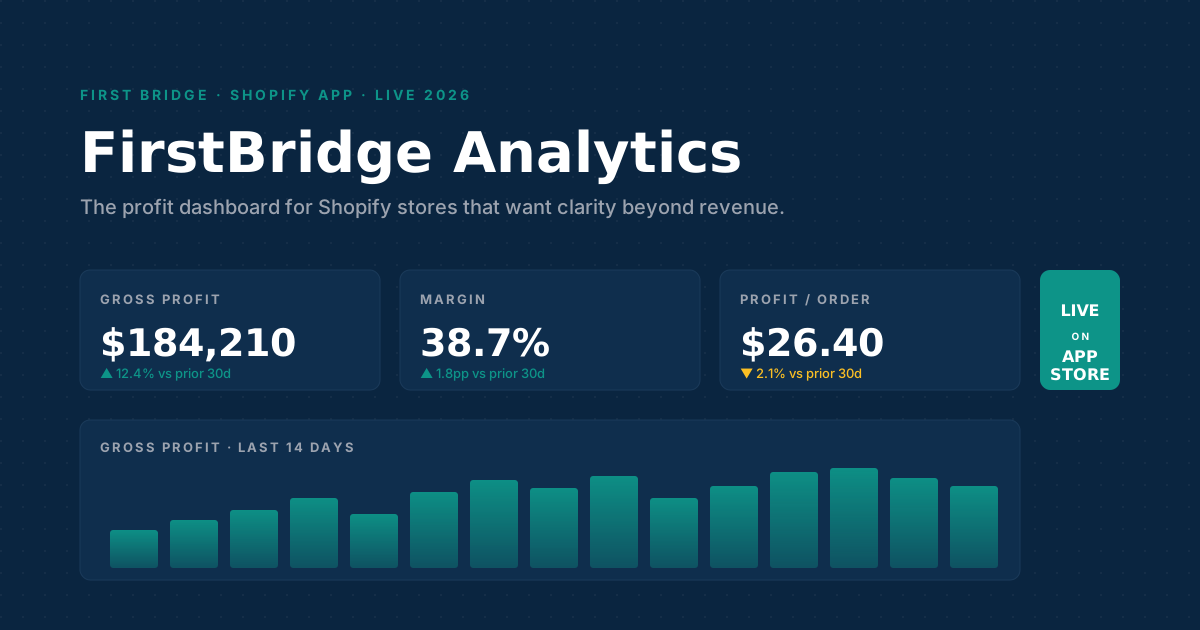
We shipped FirstBridge Analytics on the Shopify App Store — a profit dashboard for merchants who want gross profit, margin and returns in one view. Here's what's inside and what we learned building it.
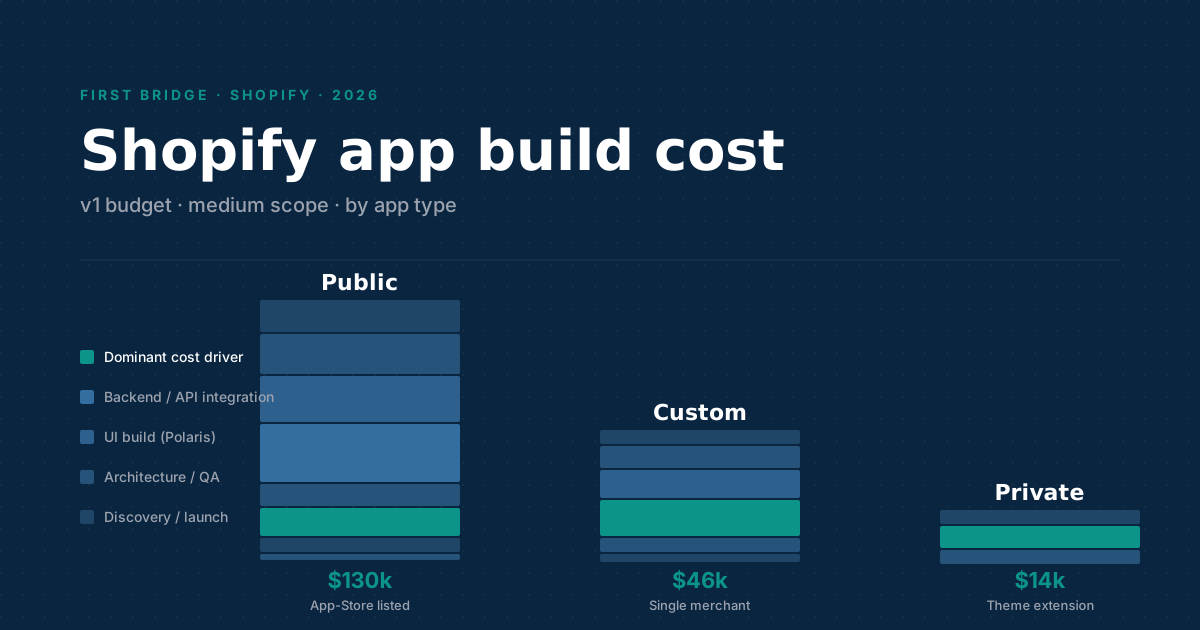
Real 2026 budgets for Shopify public apps, custom apps and private/dev-store apps — broken down by phase, with the hidden costs (review, infra, marketing) most quotes miss.
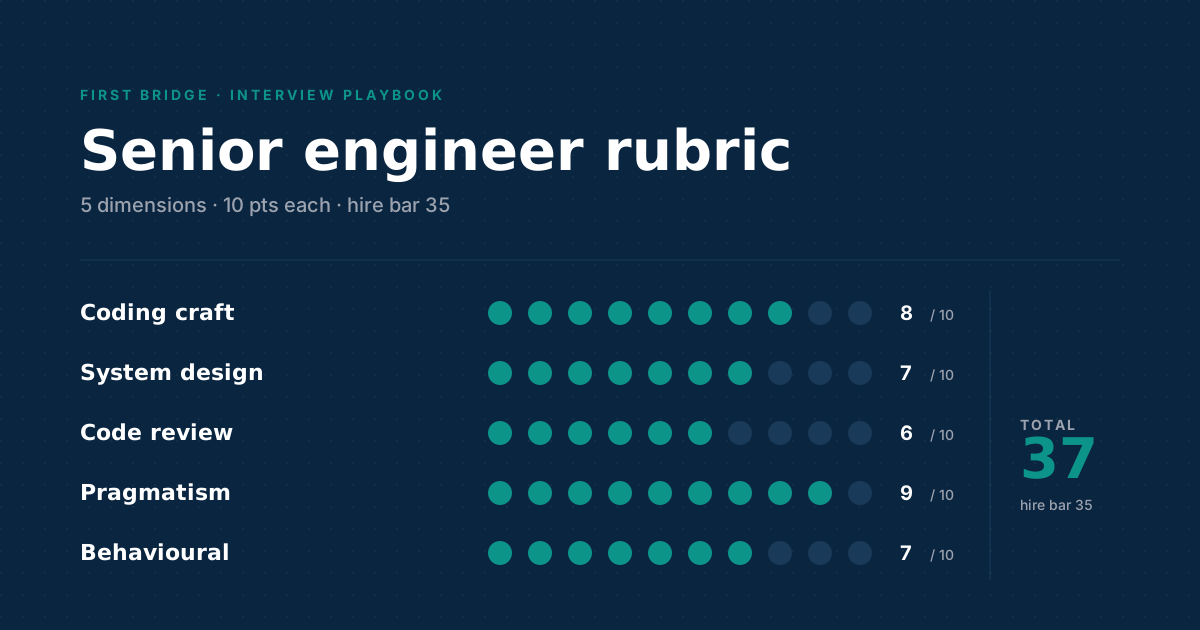
A free, opinionated 50-point scoring sheet for interviewing senior+ software engineers — across coding, system design, code review, and judgement. Calibrate panels, kill bias, hire better.
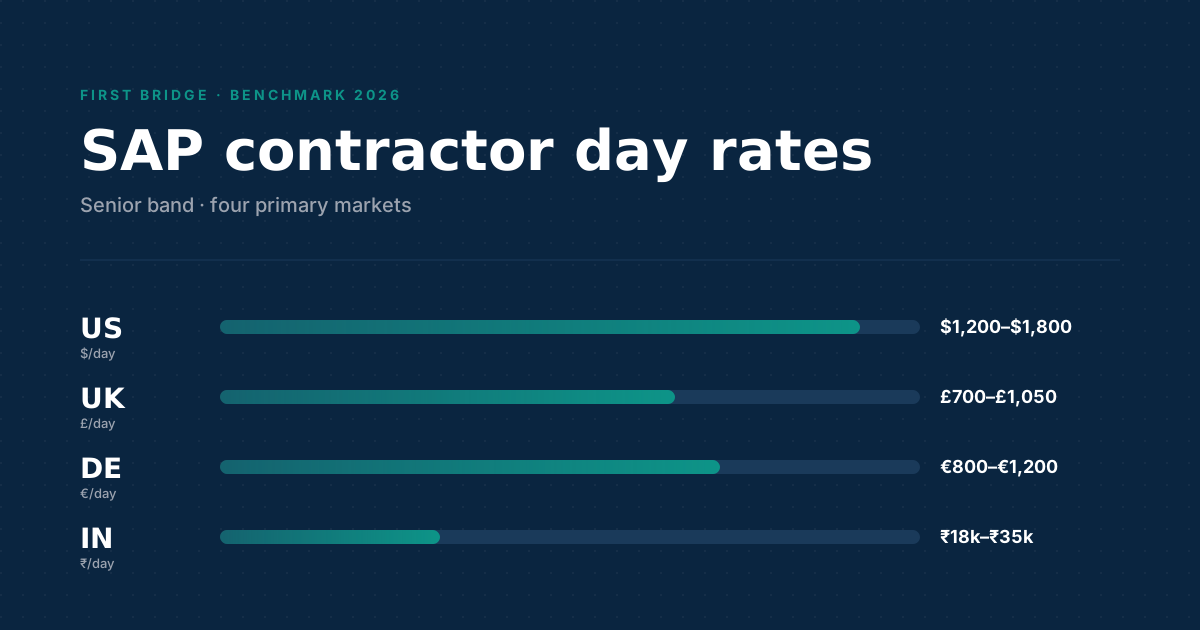
Real 2026 day rates for SAP contractors across four markets and seven modules — plus the data sources, contract structures, and ECC-sunset pressures driving the numbers.
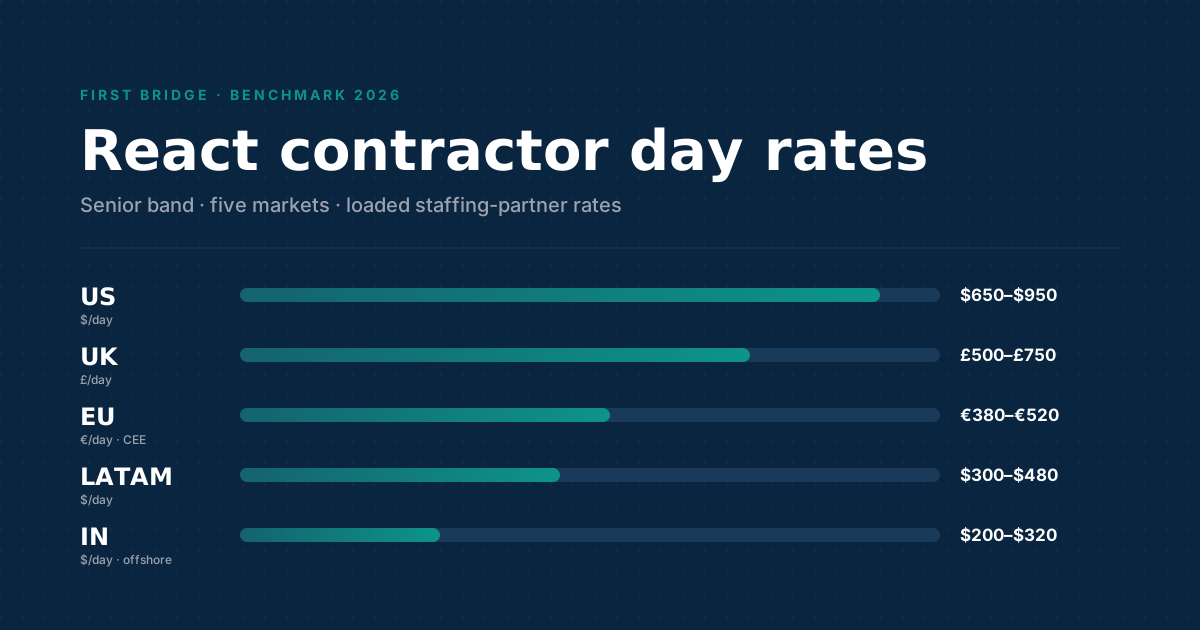
2026 day rates for React contractors across five markets, broken down by seniority and engagement type — plus a React-specific 7-question technical screen that filters seniors from generalists.
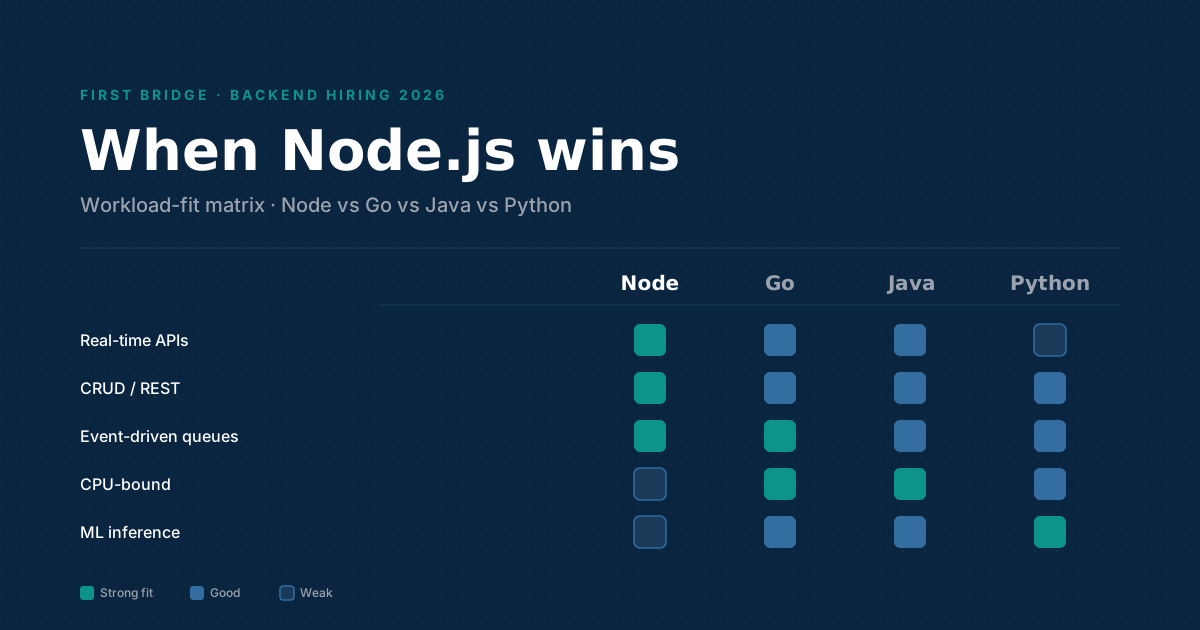
A tech-fit decision matrix, a 6-question Node.js-specific screen, and loaded contractor day-rate ranges across four markets — everything an eng manager needs to staff a Node backend in 2026.
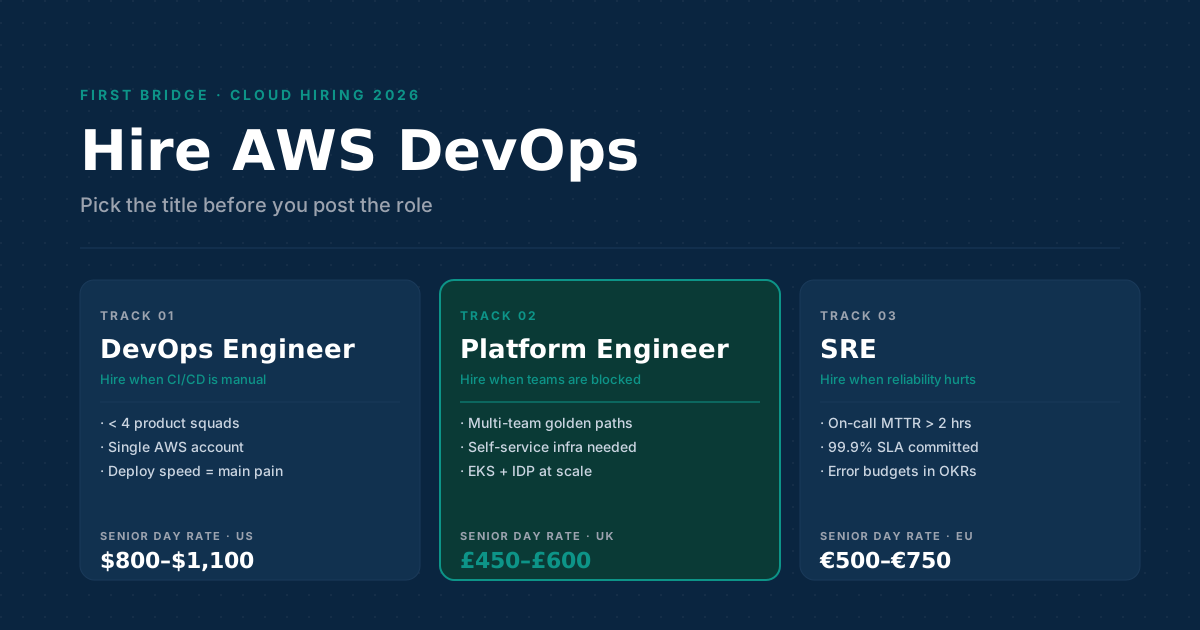
JD spec checklist by company stage, a 7-question AWS technical screen, 2026 contractor day-rate ranges across four markets, and a concrete guide to the DevOps vs SRE vs Platform Engineer title decision.
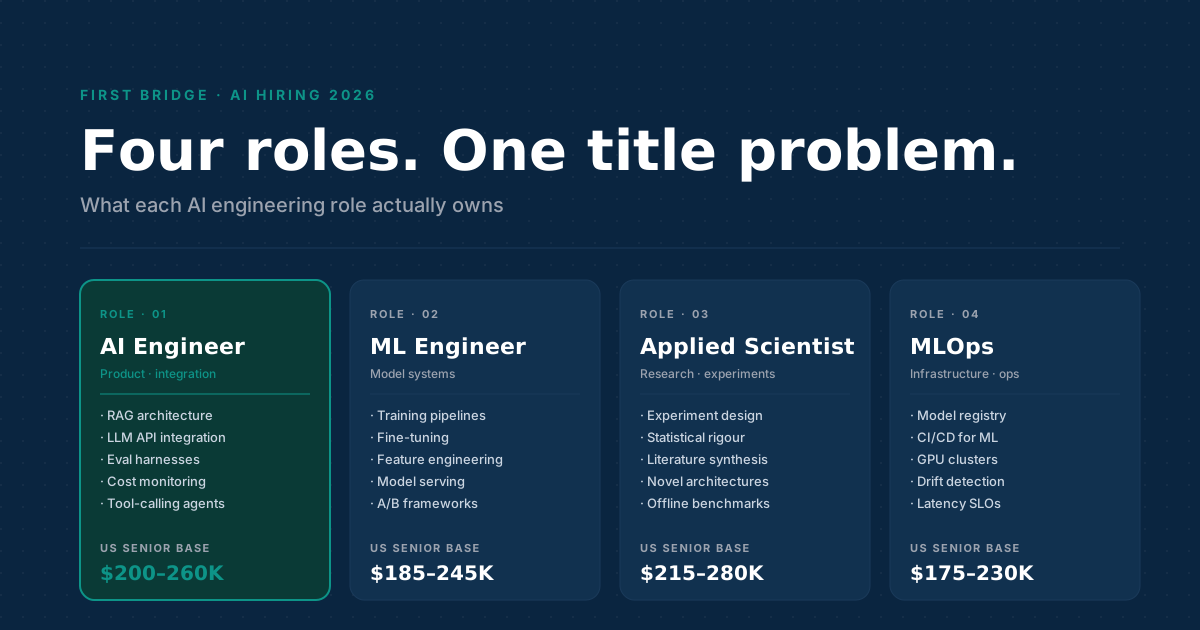
What the four main AI engineering titles actually own in 2026, a 7-question screen that filters real practitioners from prompt-tinkerers, and verified comp ranges across four markets.